




The difference between a liquid mixer and a homogenizer
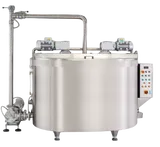
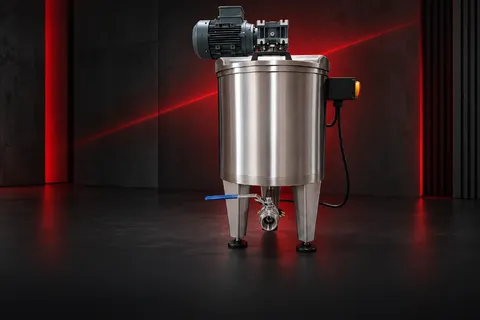
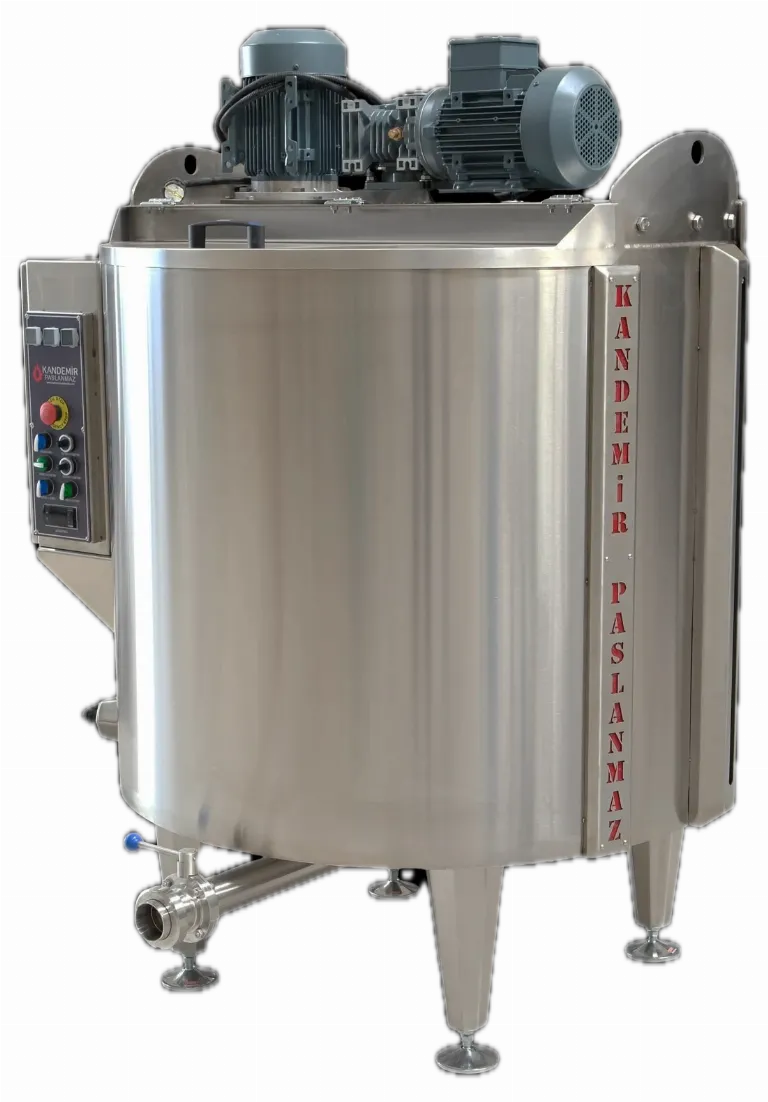
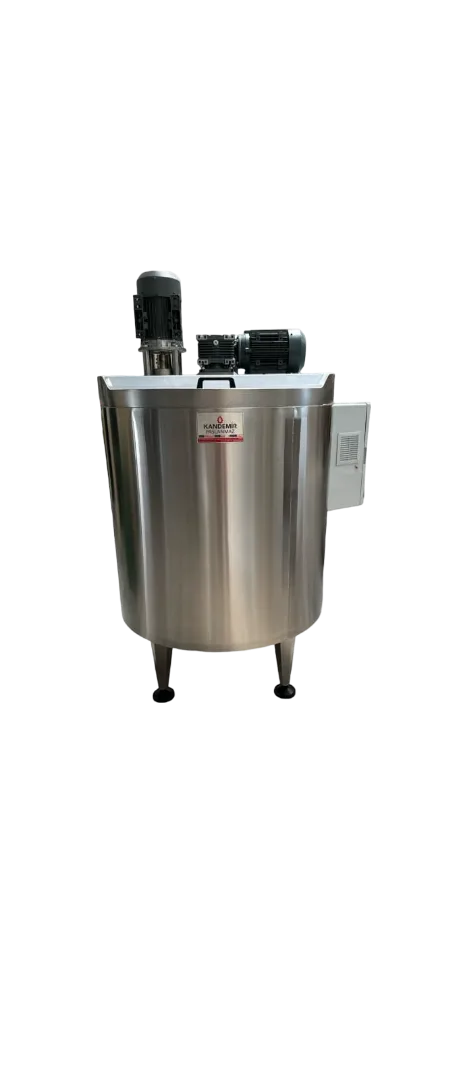
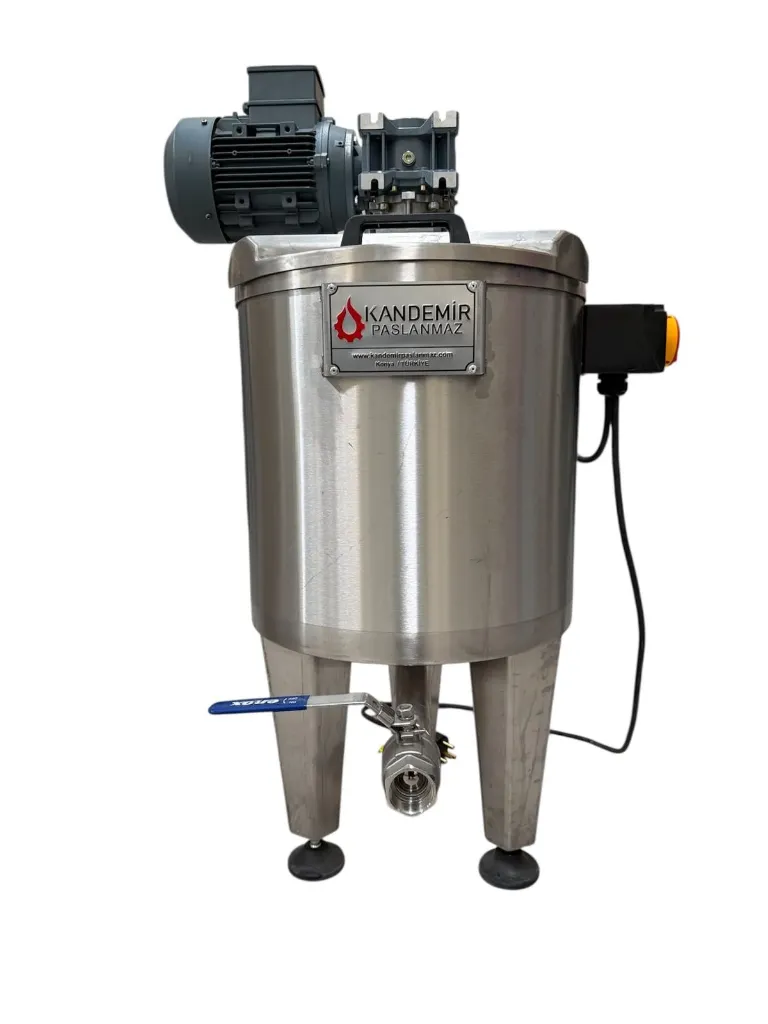
A liquid mixer brings ingredients together by continuously circulating the product in the tank; for easily blended products such as syrups, liquid detergents or disinfectants, that is enough. A homogenizer uses a rotor head turning at very high speed to break phases that do not mix on their own, such as oil and water, into tiny droplets and creates a smooth emulsion that does not separate. Creams, lotions and shampoos need a homogenizer for a stable structure.
The structure of your product determines which one you need; we also build models that combine both functions in a single tank.
Product groups and capacities
| Product group | Series | Capacity | Typical products |
|---|---|---|---|
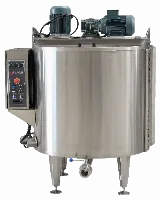
| Heated mixing tanks and homogenizers | KP-ISK KPSH KP-SH | 150 – 10,000 L | Creams, lotions, syrups, sauces |
| Liquid cosmetic mixers | KP-SKH | 50 – 5,000 L | Shampoo, cream, lotion, liquid soap |
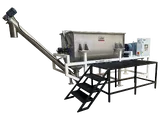
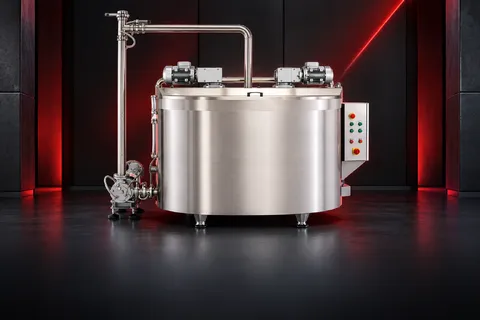
| Industrial mixing tanks | KP-SKT | 5,000 – 20,000 L | Liquid detergent, disinfectant, fruit juice |
| Liquid fertiliser production plant | KP-SG | 5,000 L | Liquid and organomineral fertiliser |
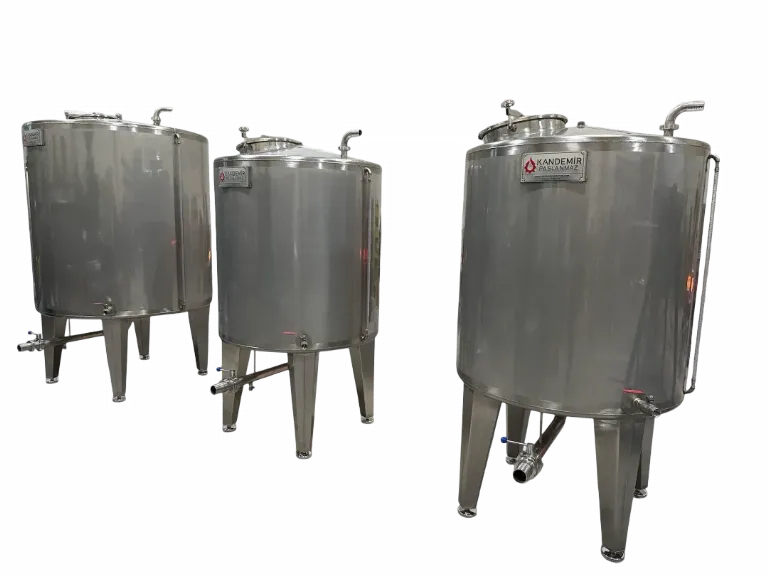
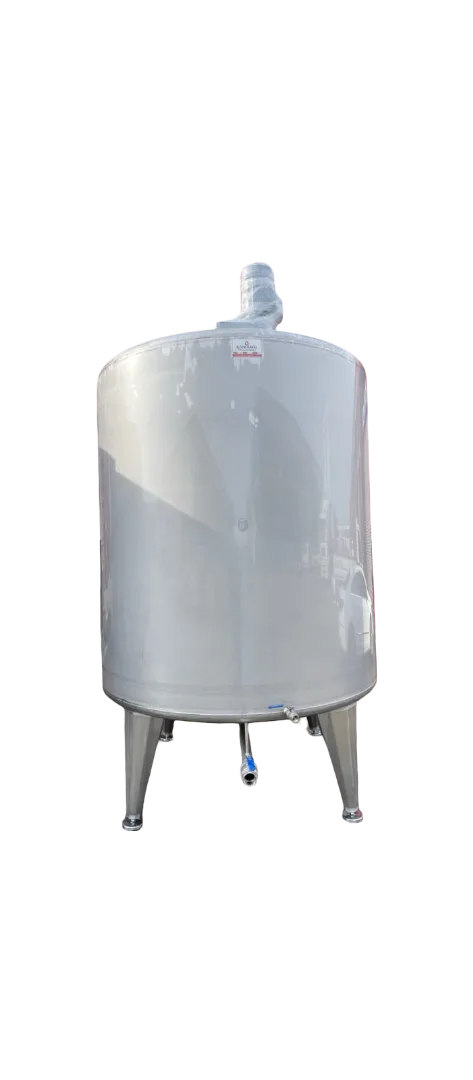
| Storage and mobile process tanks | KP-DT KP-MPT | 50 – 100,000 L | Raw materials, intermediates and finished products |
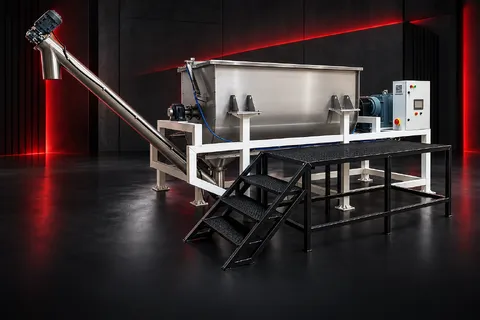
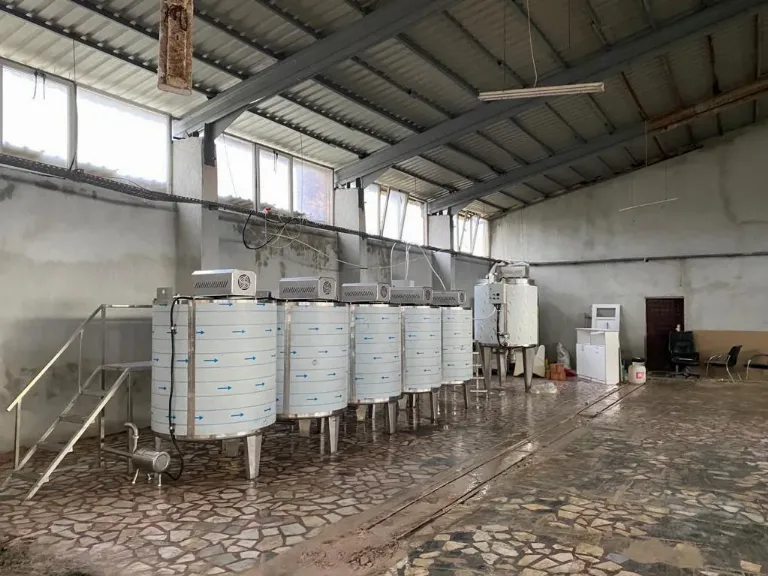
KP-SKH liquid cosmetic mixers combine heating, cooling, mixing and homogenizing in a single unit. The KP-SKT series is designed for high-tonnage production lines and can be equipped with heating and CIP cleaning on request. The liquid fertiliser production plant, with its top-driven, vertical-shaft paddle agitator, was developed for producing organomineral and liquid fertiliser in 5,000 litre batches.
Heating, control and cleaning options
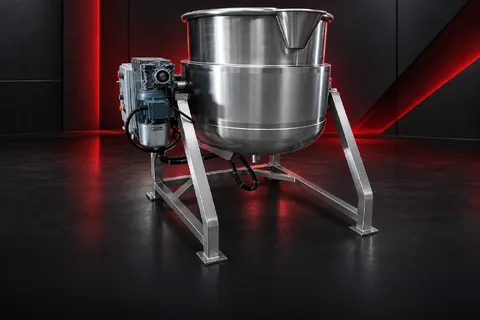
- Heating: Indirect heating with a water or oil bath in a double-walled vessel; constant temperature by thermostat. Because the product is not exposed to direct heat, it does not burn or stick to the bottom.
- Cooling and insulation: Cooling circuit and an insulated outer jacket that reduces energy loss.
- Speed control: Frequency-controlled (inverter) motors with speeds suited to every viscosity from water-thin to cream-like.
- Vacuum: Optional vacuum system that prevents foaming and air bubbles in cosmetic products.
- Automation: PLC control panel for speed, temperature and time; optional level sensor.
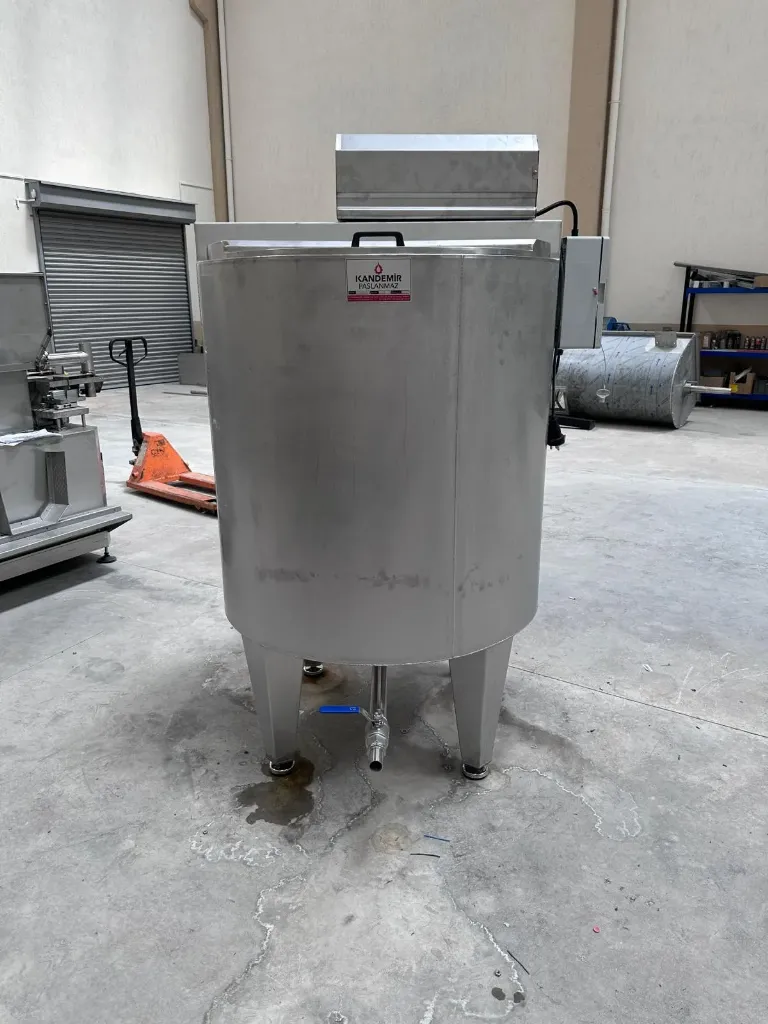
- Cleaning: CIP spray balls that clean the inside without dismantling the tank, and a bottom drain valve for easy discharge.
How to choose the right tank
- Product structure: A homogenizer if you need to form an emulsion; a mixing tank if dissolving and mixing are enough.
- Viscosity: The consistency of the product determines the agitator type and motor power.
- Temperature: A double-walled vessel is chosen if the process requires heating or cooling.
- Batch volume: Headspace is left at the top of the tank for foam and vortex; homogenizers have a minimum fill level so that the rotor head stays in the product.
- Material: AISI 304 is sufficient for general food and cosmetics production; AISI 316 is preferred for corrosive chemicals, high-salt products and pharmaceutical production.
Who we build for
We engineer tanks by capacity, heating type and level of automation for manufacturers in the cosmetics, chemical and cleaning, food and beverage, pharmaceutical and agricultural industries. We present the 3D design of the machine for your approval before production, test it before delivery and handle installation in Türkiye and abroad.
Share your product and target batch size with us to request a quote.